
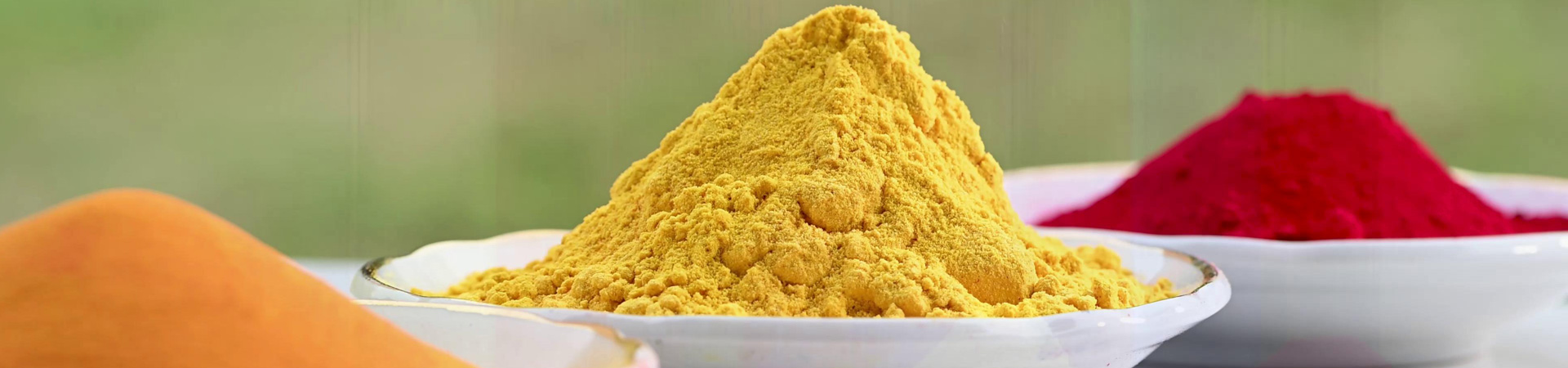
Natural Color Recommendation — Grape Skin Extract
Purple naturally carries a sense of mystery and depth. It easily evokes associations with berry and fruit aromas. Beyond being enjoyed as fresh fruit, grapes can also be used to extract natural colorants for coloring. Grape skin extract, obtained through extraction, is rich in anthocyanins and serves as a distinctive red-purple colorant in the food industry.
Below, we'll take a closer look at the practical applications of grape skin extract.
1. What is Grape Skin Extract?
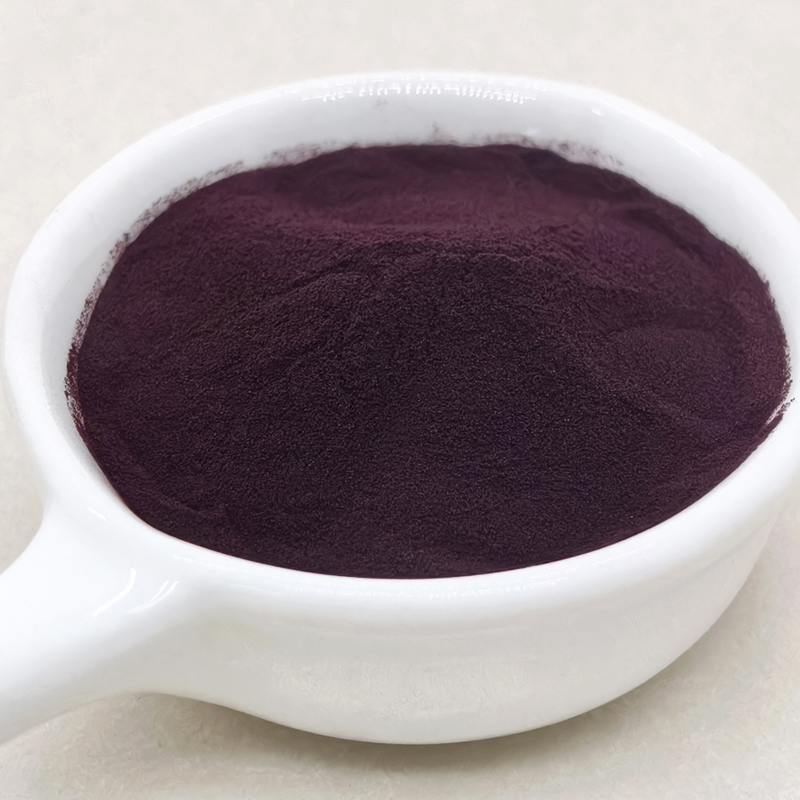
Grape skin extract is a food additive made primarily from grape skins or the pomace left after juice pressing, extracted and refined using water or food-grade ethanol.
The anthocyanins in grape skin extract are powerful antioxidants that help enhance product freshness and delay oxidation. Combining coloring, color protection, and nutrition in one, it is an ideal ingredient for premium food products to boost added value and create a differentiated selling point.
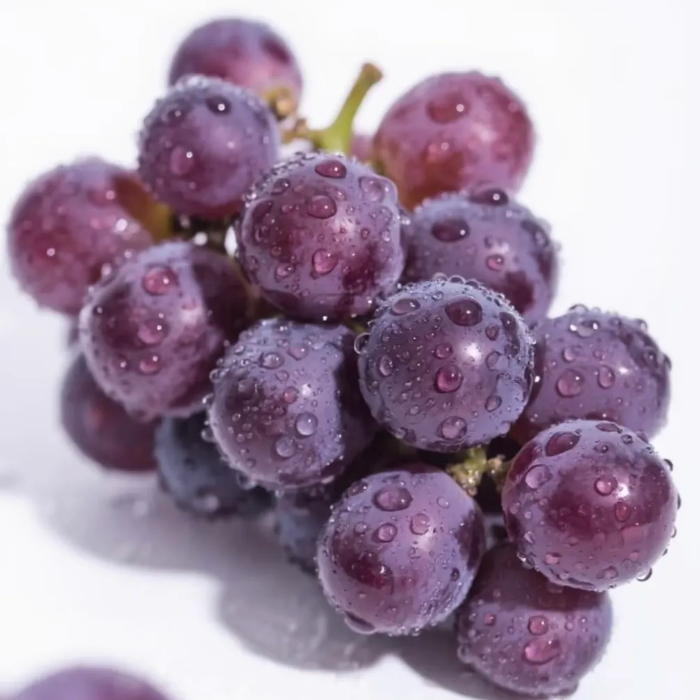
Grape
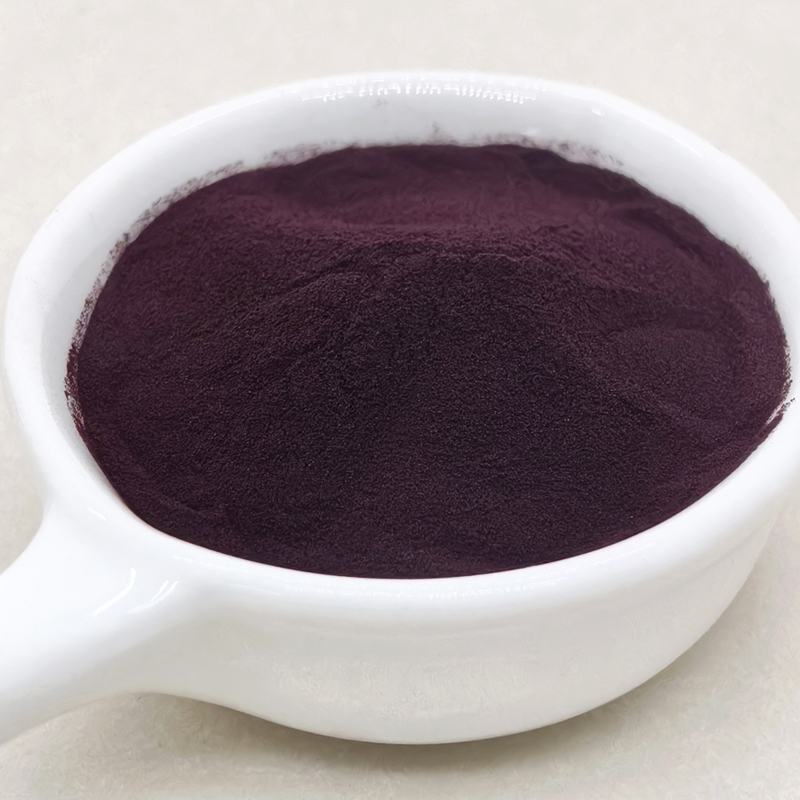
Grape skin extract
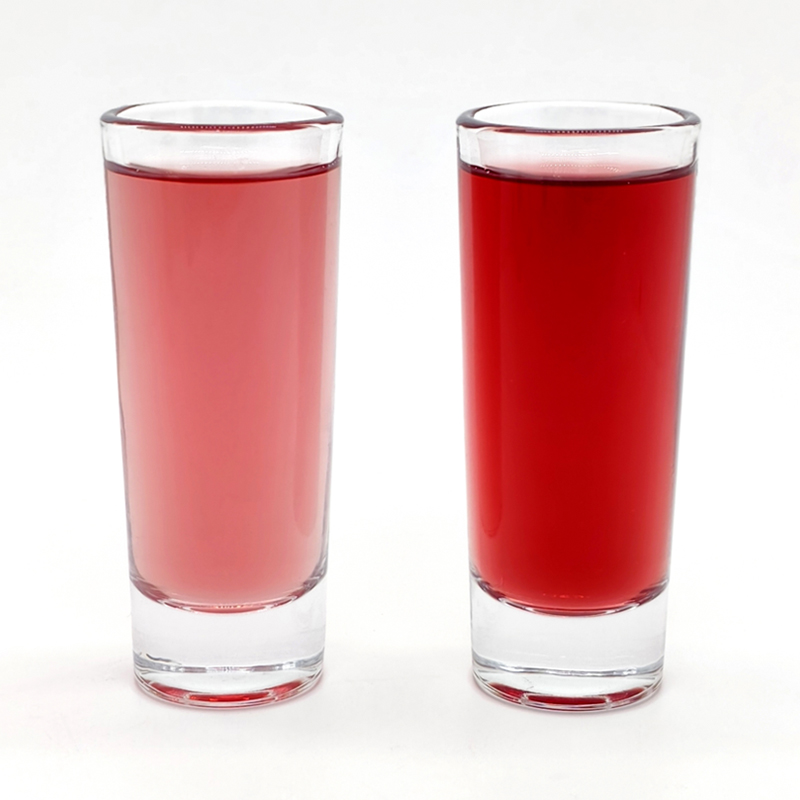
Grape skin extract water solution
2. Characteristics of Grape Skin Extract
- Form: Red to reddish-purple powder, granules, or liquid
- Solubility: Soluble in water, ethanol, and propylene glycol; insoluble in oils and fats
- Acid-base behavior: Color changes with pH — red to reddish-purple in acidic conditions, bluish-purple in neutral conditions, and dark blue or green in alkaline conditions
- Stability: Relatively sensitive to light and heat (prolonged high temperature or strong light can cause fading), but color remains stable in acidic environments and it has certain antioxidant properties
3. Applications of Grape Skin Extract
Grape skin extract has a broad range of uses across multiple food categories, mainly including frozen desserts, ice cream, confectionery, baked goods, beverages, fruit and vegetable juices, solid beverages, and prepared wines. Below are several representative application scenarios:
· Ice cream — Used as a colorant to give the product a red-purple color; color performance is generally stable under chilled storage conditions.
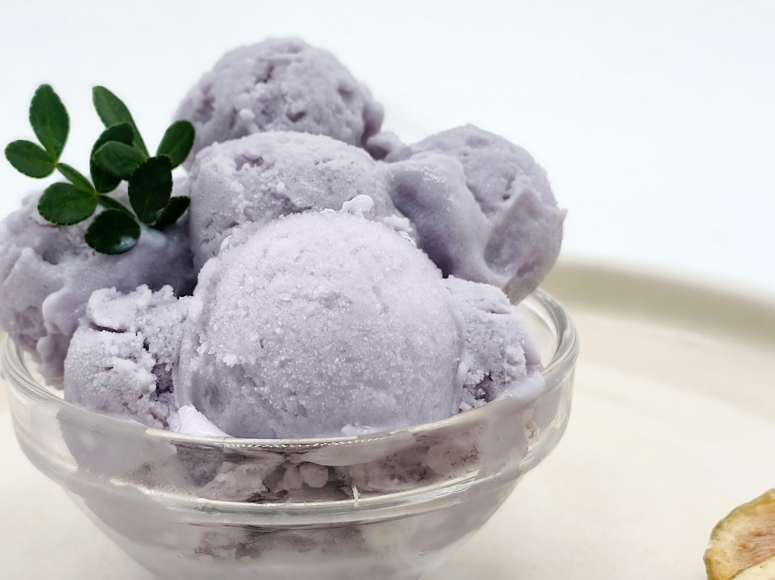
Ice cream
· Jelly — Added as a colorant for red-purple hues in gelled desserts.
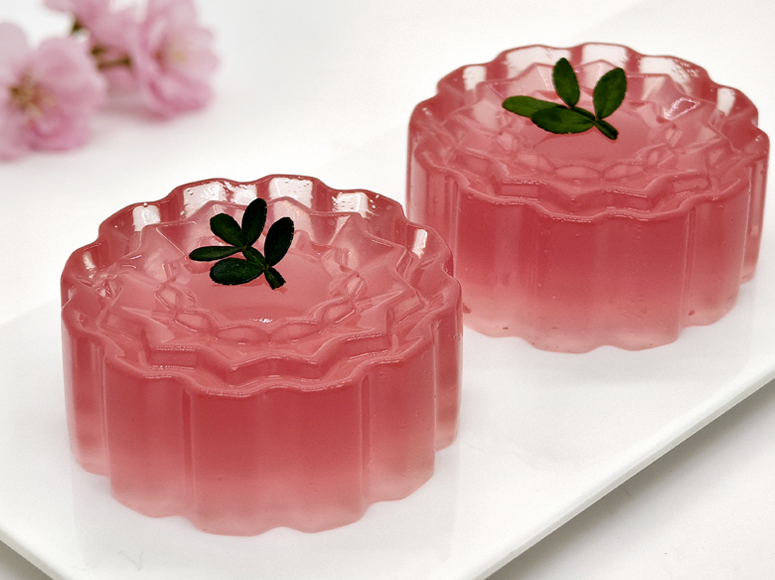
Jelly
· Gummy/soft candies — Provides a red-purple tone in confectionery; color stability depends on the product's processing temperature and pH.
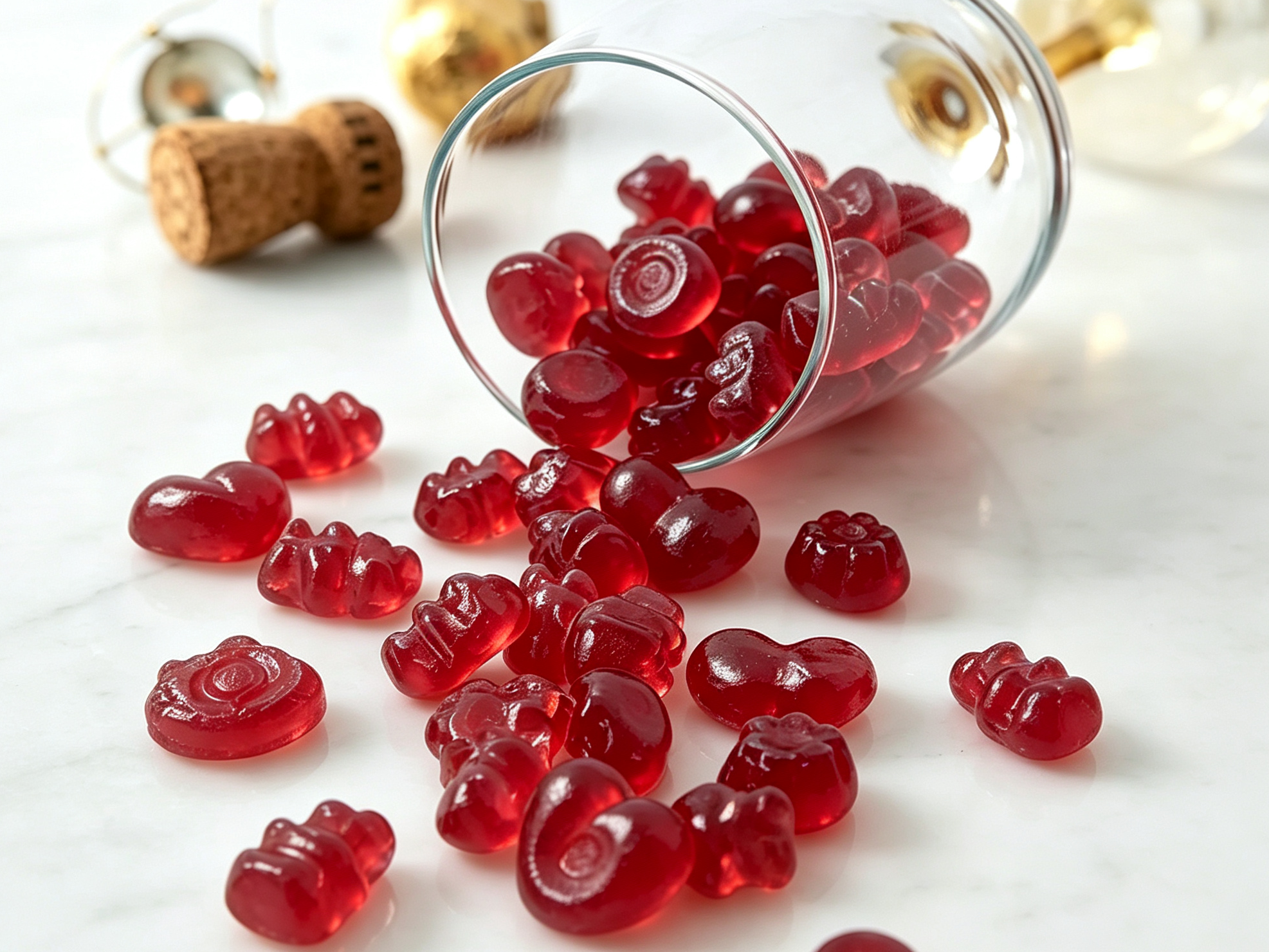
Soft candy
· Beverages — Used in ready-to-drink beverages and fruit/vegetable juices to impart a red-purple color; acidity of the beverage helps maintain color stability.
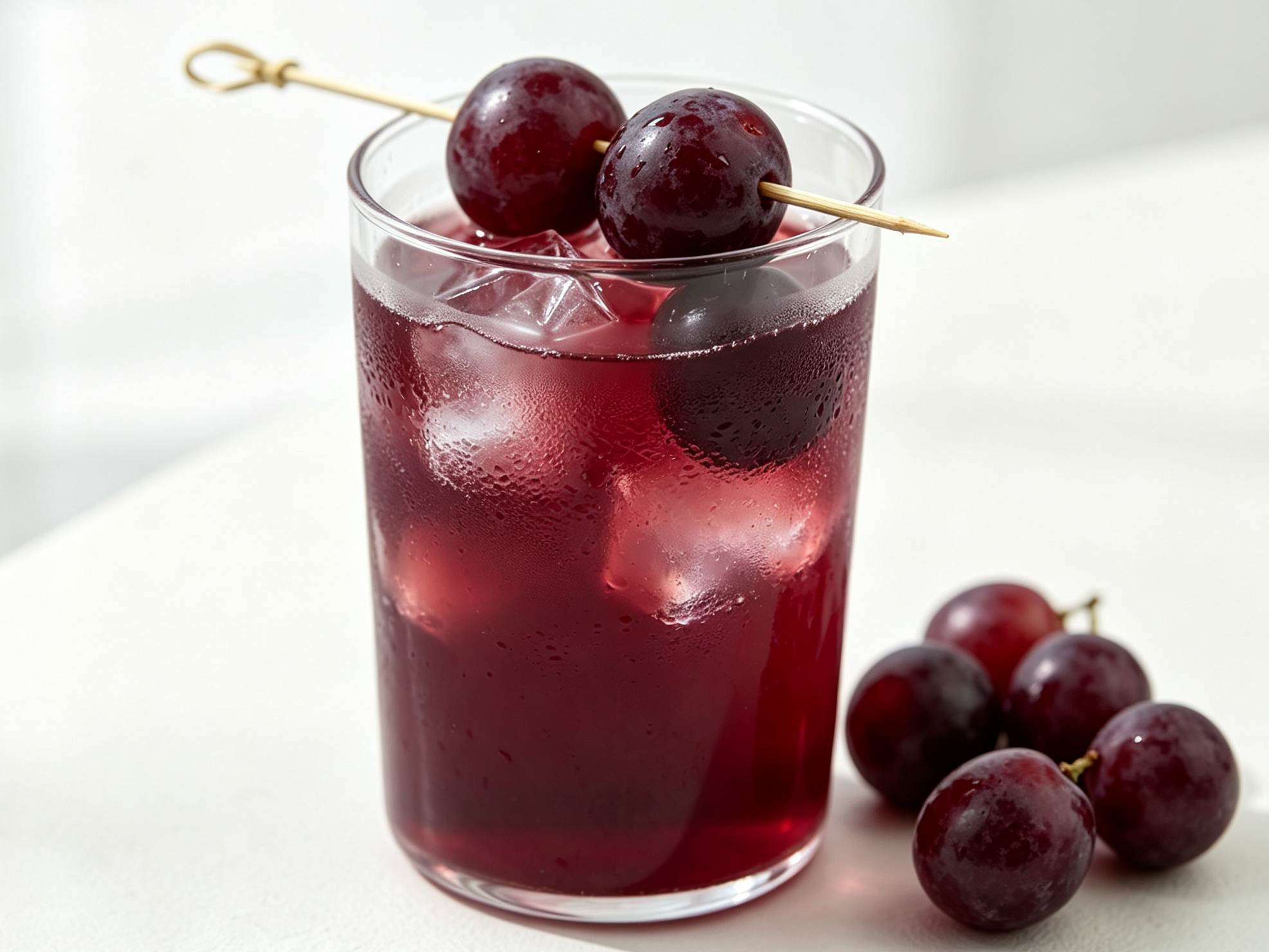
Beverage
· Prepared wines — Used as a colorant in blended wines, where the alcoholic/acidic medium supports color retention.
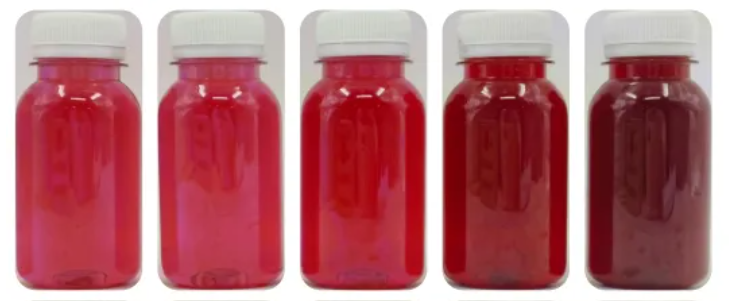
Prepared wines
Note: As a colorant, its shade varies with pH — red to reddish-purple in acidic conditions, bluish-purple in neutral, and dark blue or green in alkaline. It is relatively sensitive to light and heat, so prolonged high-temperature processing or strong light exposure may cause fading; color is most stable in acidic environments.
-----THE END-----
