
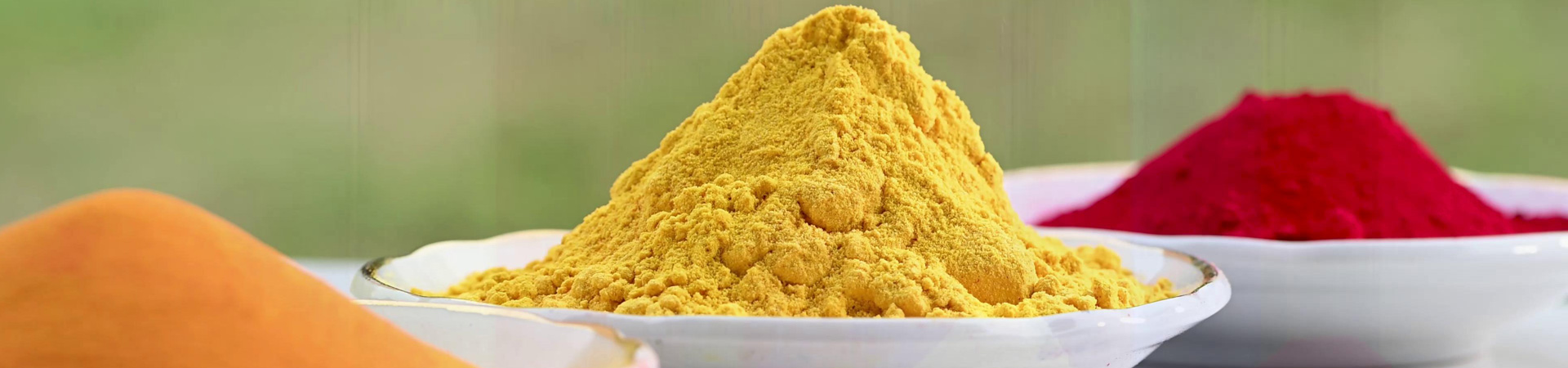
Color Upgrade for Pet Food: Healthier & Safer for Furry Friends
Today’s young people are hesitant to have children, yet willing to spend generously on their “furry companions.” Pet ownership has become a new emotional anchor, fueling a trillion yuan market covering pets’ full life cycles. As pet care grows increasingly humanized, owners now demand food that is nutritious, safe, and visually appealing—far beyond just being filling.
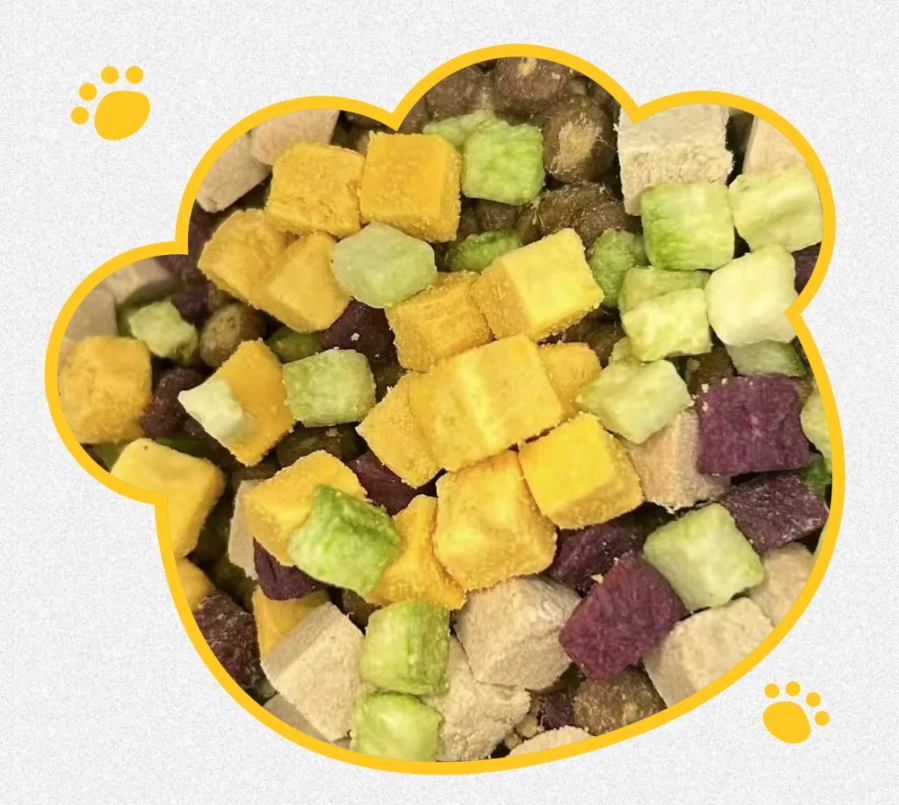
The Color Economy of Pet Food

According to the 2025 China Pet Industry Market Overview & Consumer Behavior Survey, China’s pet market reached 811.4 billion yuan in 2025 and is projected to exceed 1 trillion yuan by 2027.
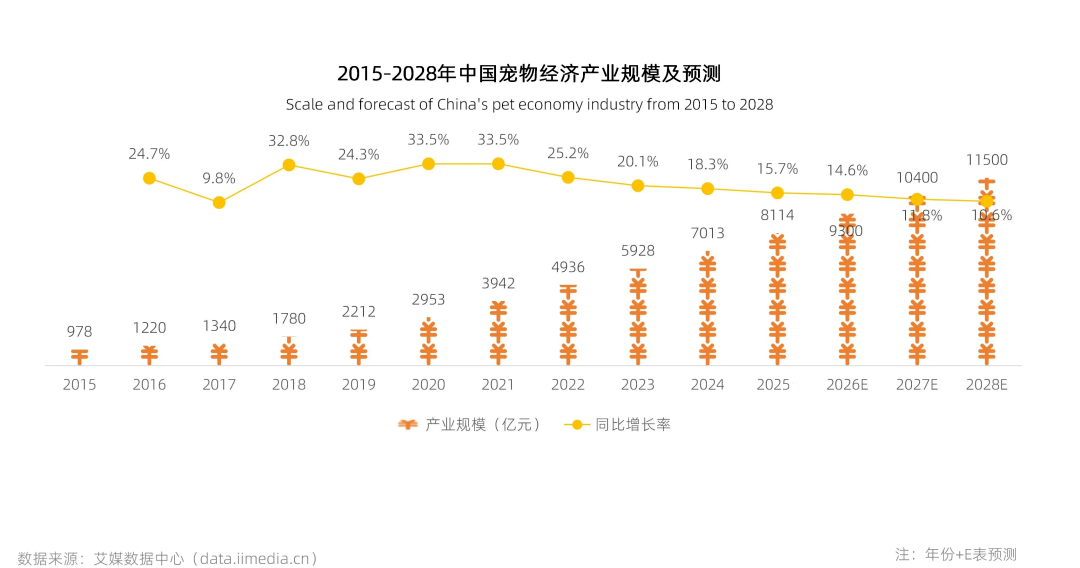
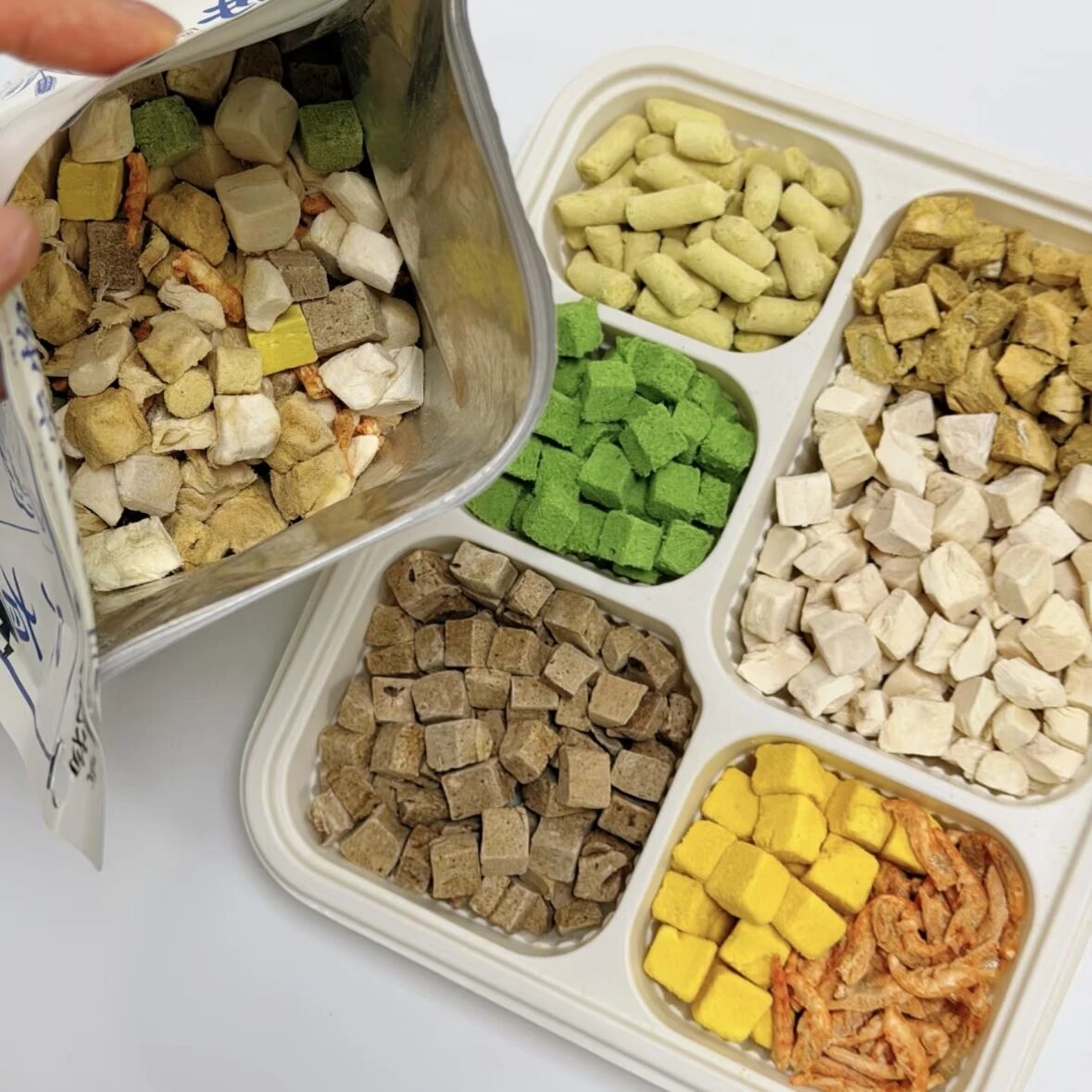
As pets evolve from “companions” to “family members,” the appearance and safety of staple food, treats, and wet food directly shape owners’ choices.
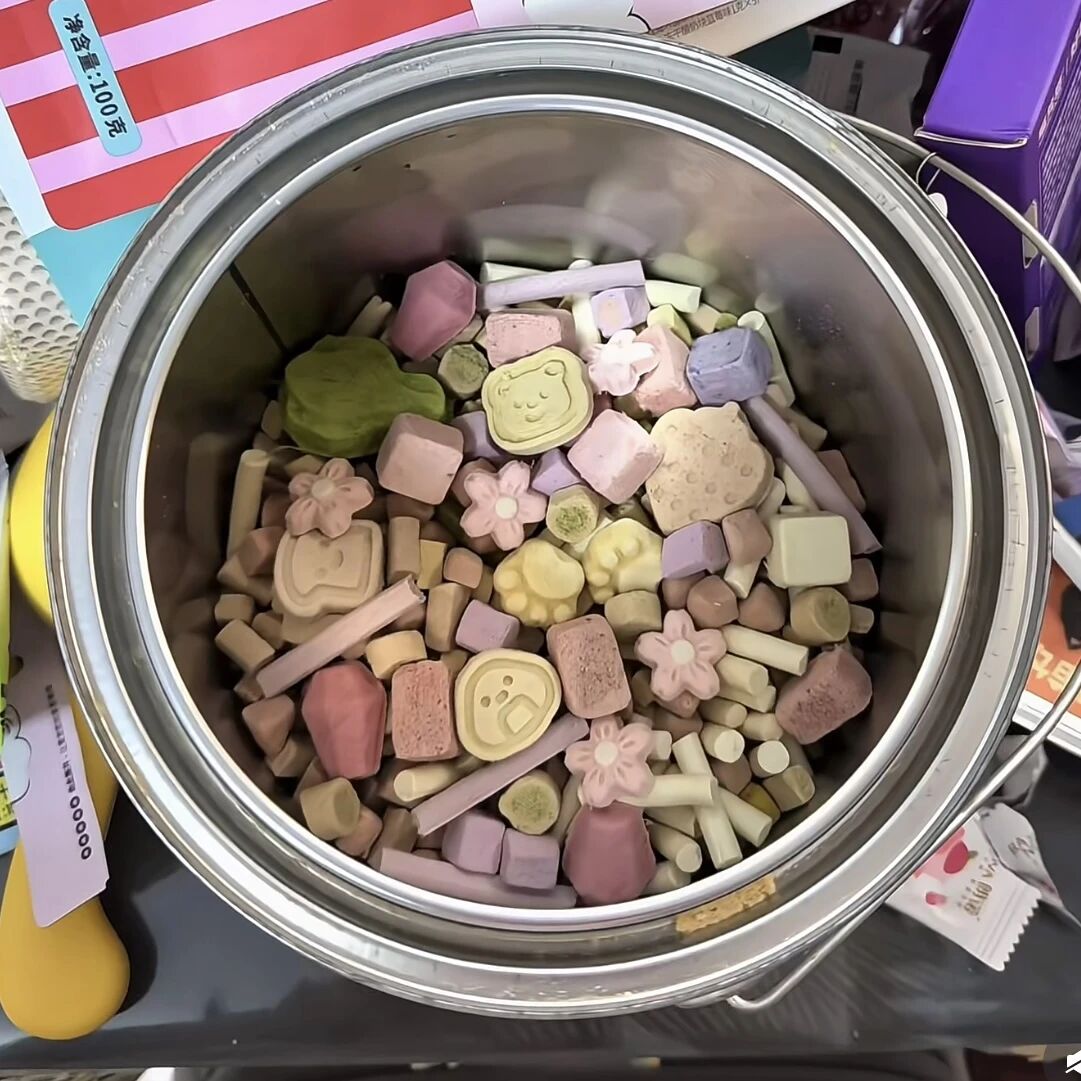
Pet food formulas vary by breed and life stage. Colorants are widely used to tint pet food, and color strongly affects pets’ appetite.
Does Color Matter for Pet Food?
Sensent consumer research confirms: color in pet food links to perceived health benefits. Richer colors signal higher nutritional quality to buyers. Color drives first impressions and shapes judgments of nutrition and safety—naturally colorful kibble is seen as more balanced and ingredient pure than plain brown dry food.
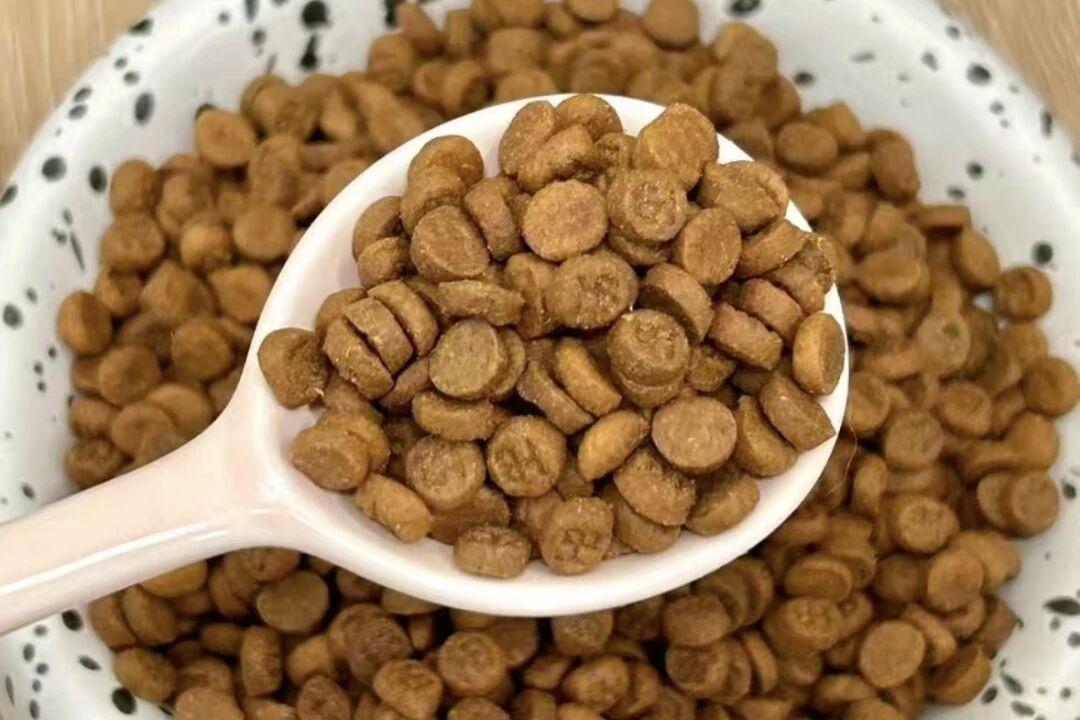
Original color
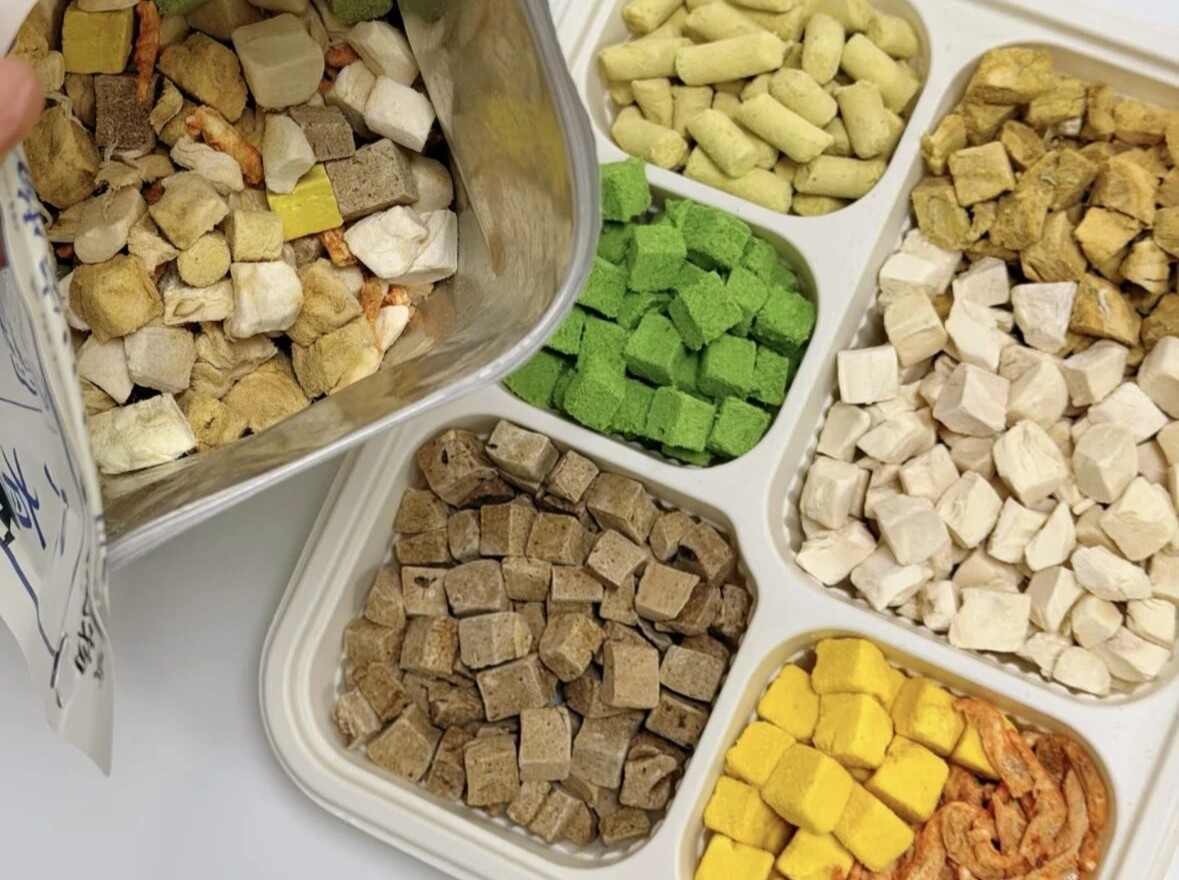
Colorful color
Natural colorants boost palatability for pets and signal clean, plant derived ingredients to owners. Responding to this trend, leading global pet food brands have phased out artificial colors and upgraded formulas with natural colorants, setting industry health standards.
Major Brands Ditch Synthetic Colorants
Leading international brands comply with bans on synthetic dyes; Chinese premium staples and baked treats use all natural coloring.
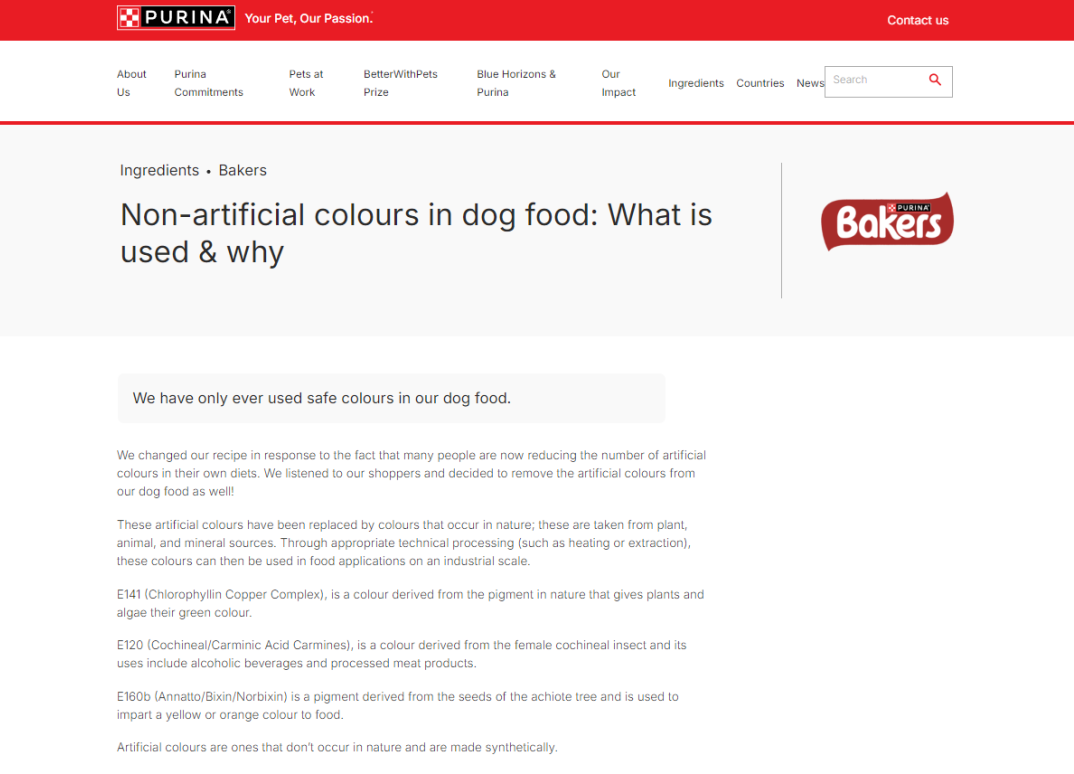
Bakers (global pet food giant)Fully upgraded in Europe, removing all synthetic colorants and using only natural sources for safer, healthier recipes.
Mars (Pedigree, Europe & Americas)Revised formulas eliminate Allura Red, Sunset Yellow, Brilliant Blue, and other synthetics. Labels clearly list plant derived colorants to highlight natural positioning.
Royal Canin (functional staples)Upgraded prescription and puppy foods to remove all artificial colorants, switching to natural coloring for stable hues and a natural, hypoallergenic profile.

Brigpet (mid to high-end Chinese natural pet food) Overhauled herbal and natural lines to eliminate artificial colorants, restoring true ingredient colors and emphasizing low oil, low salt, and no additives.

Natural Colorants in Pet Food: Stable Coloring Solutions
Raw materials, processing, and storage can alter color. Replacing artificial colorants with natural alternatives ensures stable appearance, natural origins, and no synthetic concerns.
Safe, healthy, and consumer friendly, natural colorants are central to pet food quality upgrades and brand differentiation.
Five mainstream compliant natural colorants serve diverse product needs:
Natural Beta-carotene Soft orange-yellow; stable at high temperatures; sweet aroma boosts appetite. Used in dry, wet food and treats; high fiber improves kibble structure.
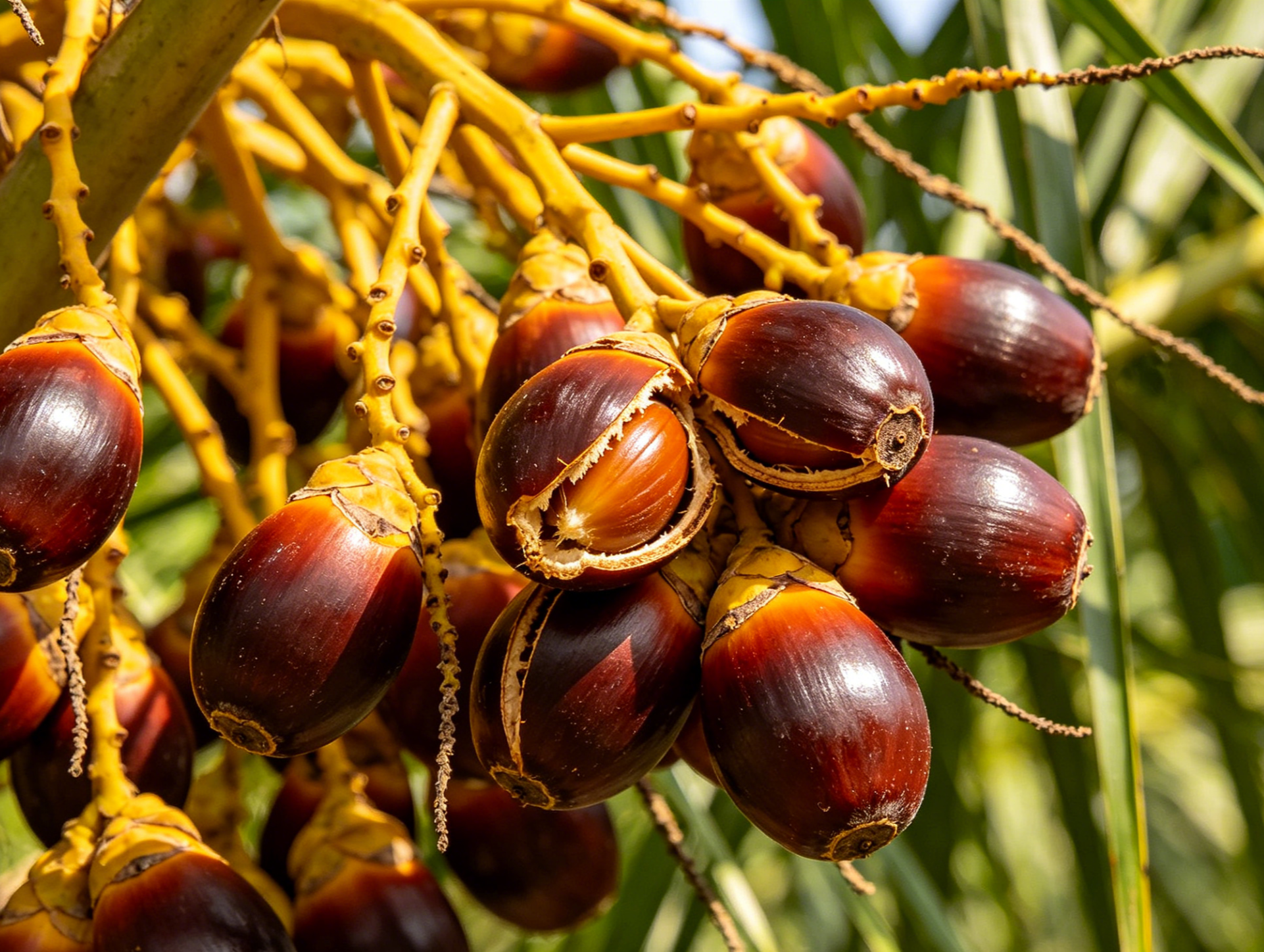
Palm fruit raw materials
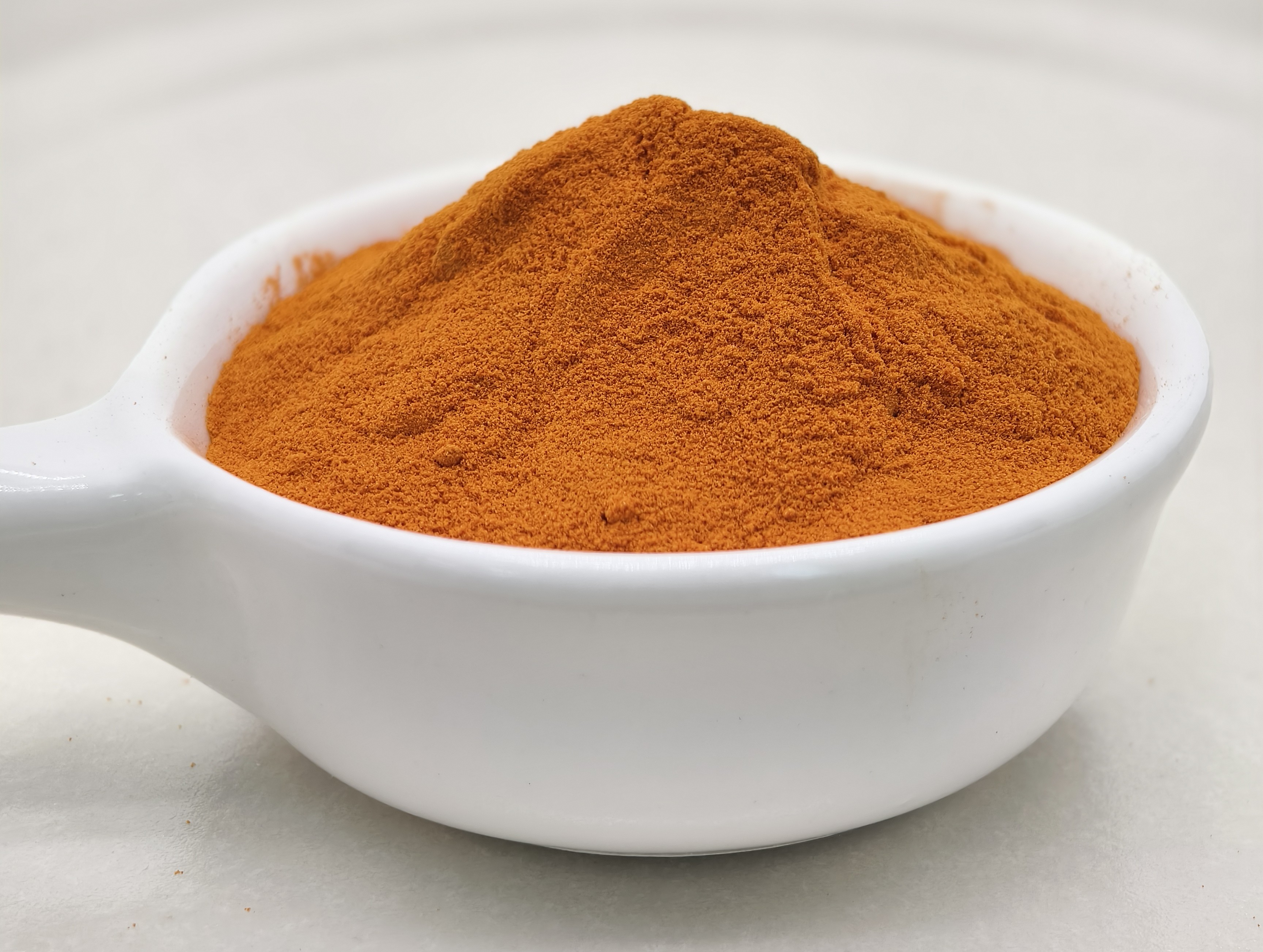
Natural carotene(Beta-carotene)
Turmeric Bright yellow, highly recognizable; retains >90% color value at 120°C. Ideal for extruded kibble; supports a natural, herbal image.
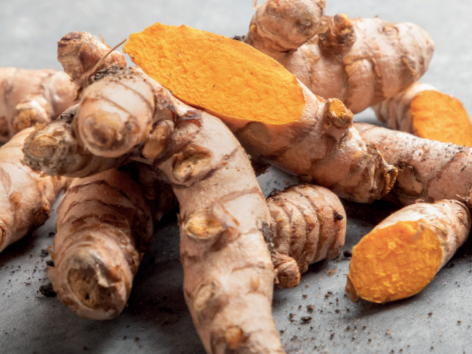
Turmeric
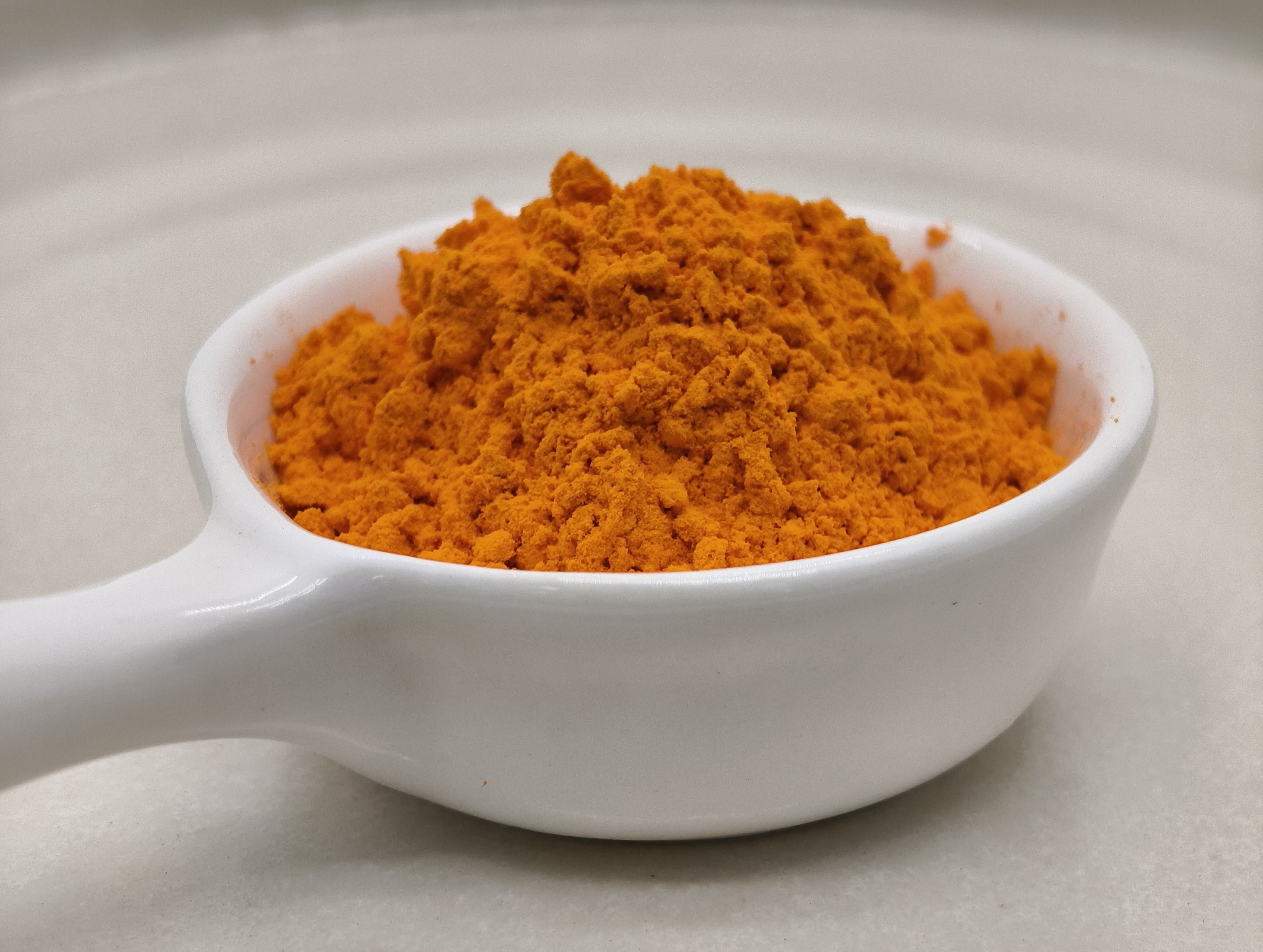
Curcumin
Beet Red Vivid red; stable in acidic conditions. Suits wet food and canned recipes; natural sweetness reduces meaty odor and improves palatability.
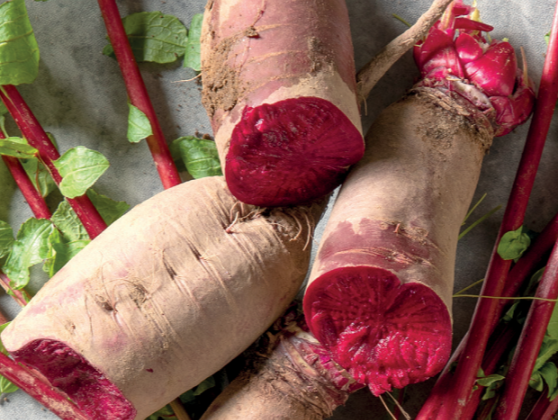
Beetroot
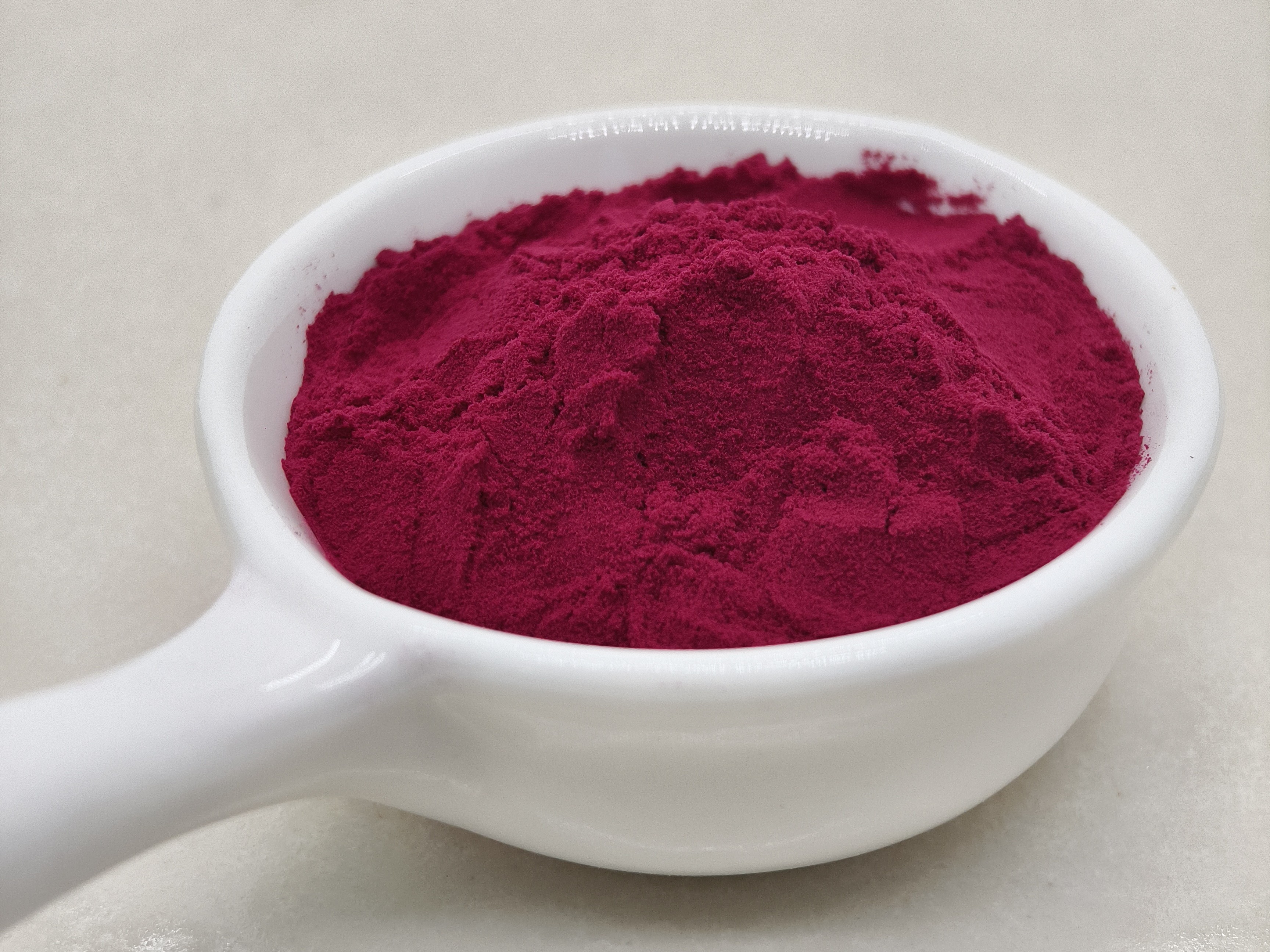
Beet red powder(Beetroot red powder)
Paprika Red Orange red carotenoid; safe, uniform coloring. Creates meat associated visual appeal.
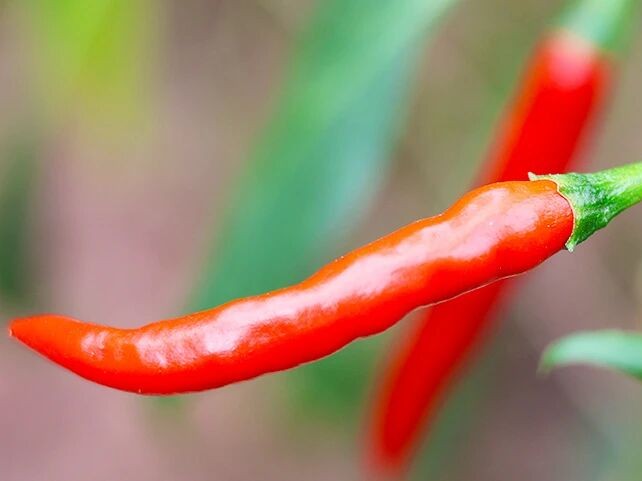
Paprika
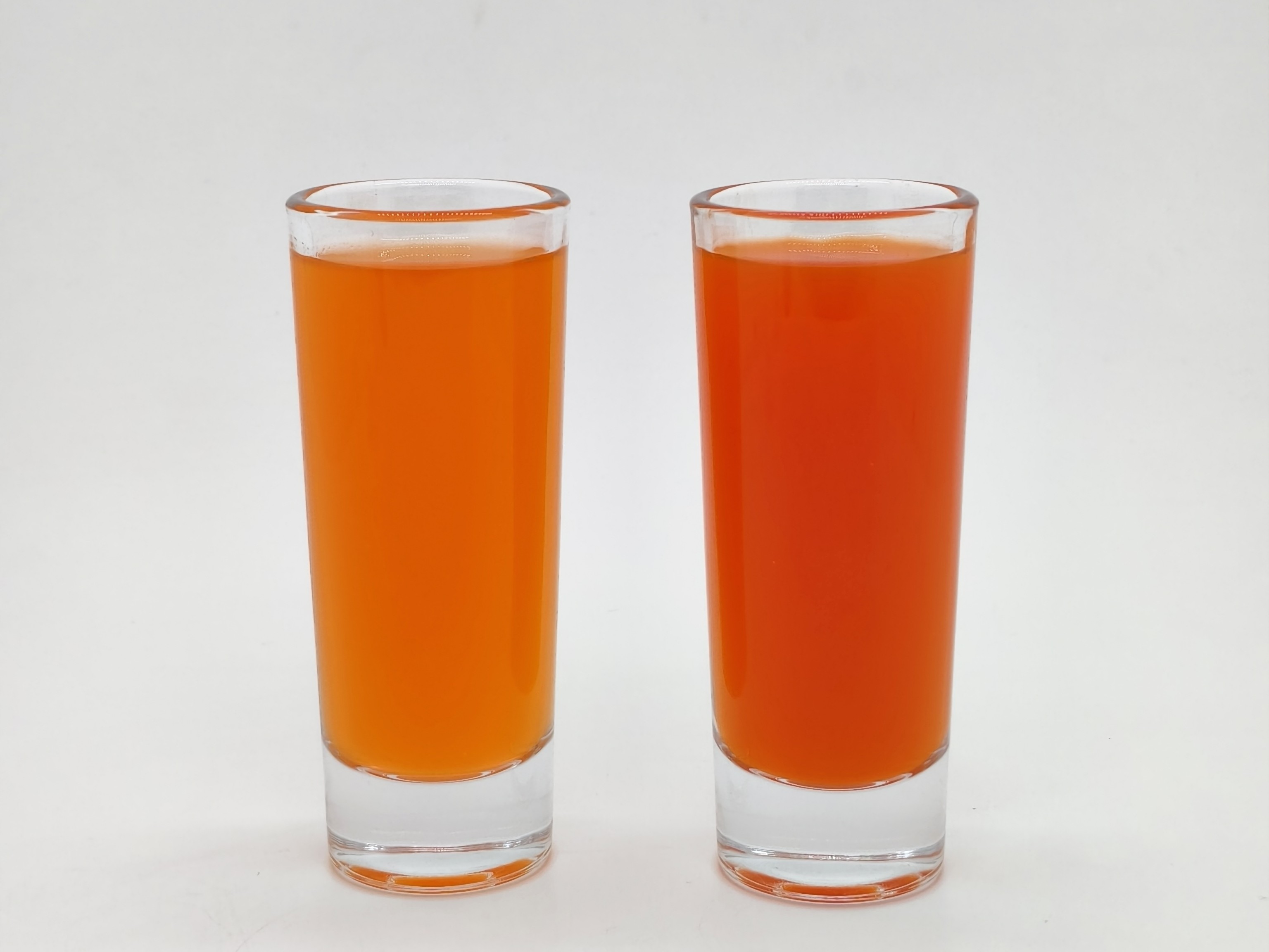
Paprika red water solution
Sodium Copper Chlorophyllin Acid stable (avoids yellowing of regular chlorophyll). Fits vegetable based wet food; fresh green reinforces natural health perception.
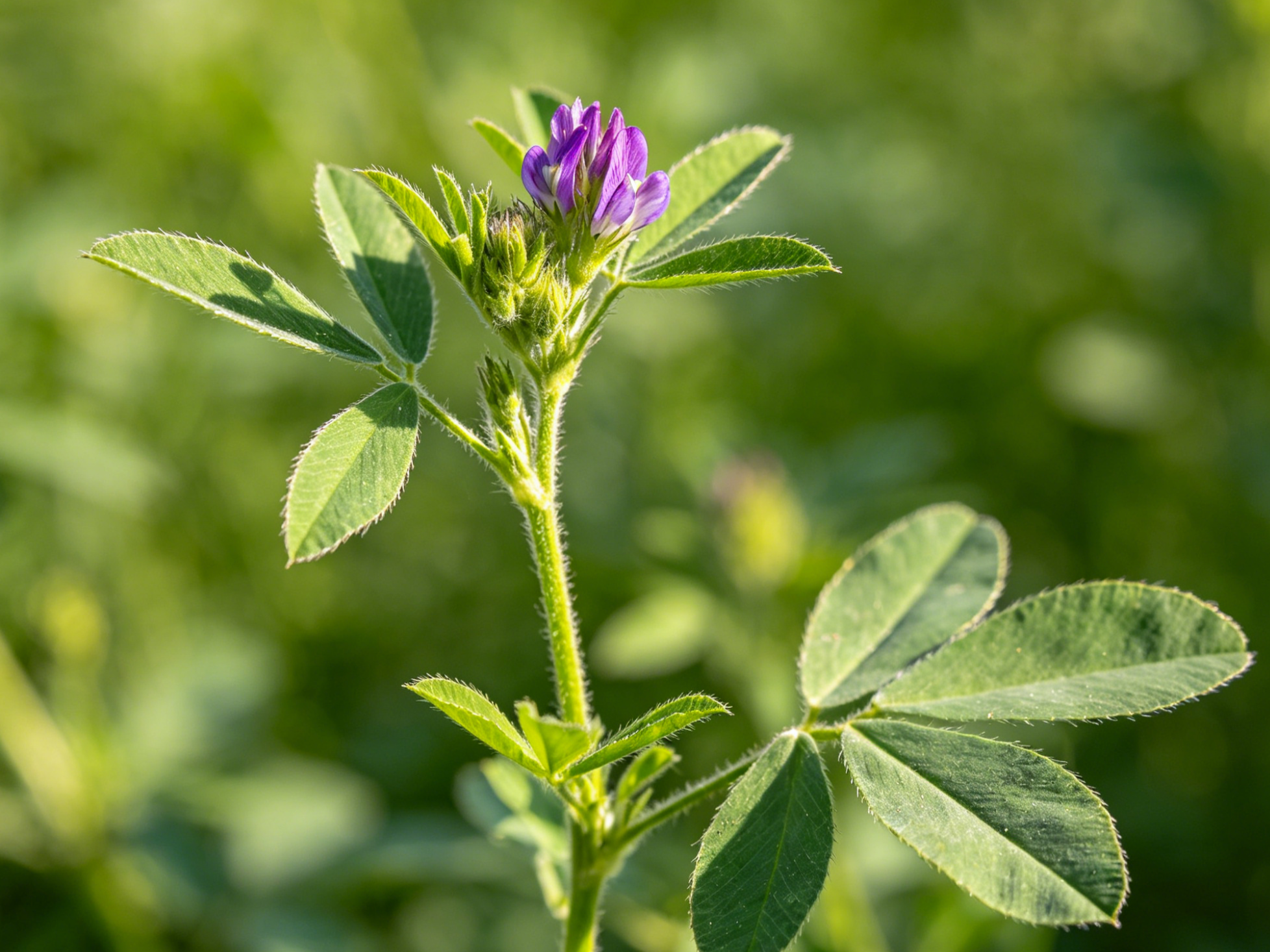
Alfalfa
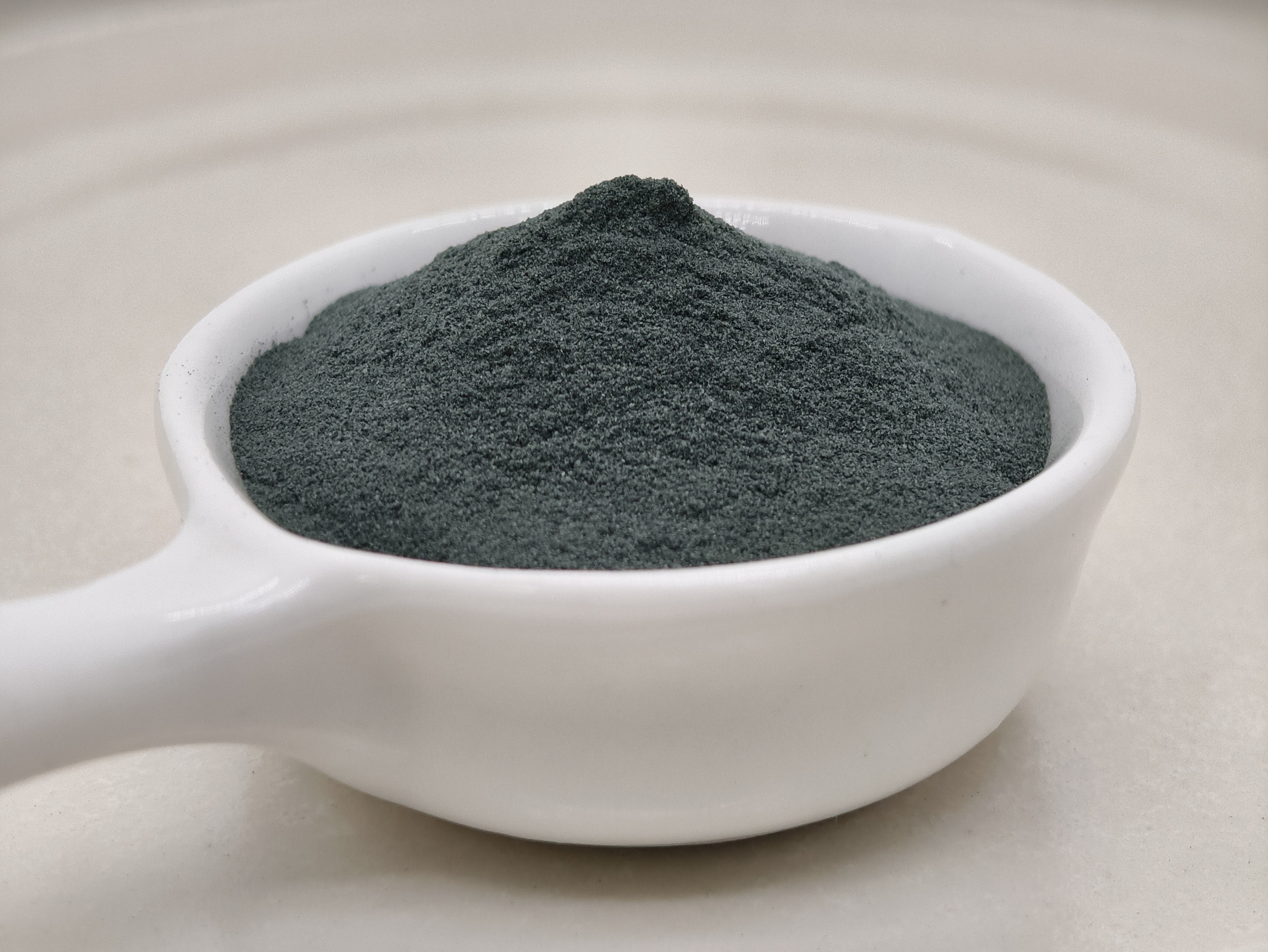
Sodium copper chlorophyllin
Covering red, orange, yellow, and green, these colorants meet coloring needs for staples, treats, wet food, and freeze dried products, balancing stability, safety, and consumer appeal.
Conclusion
Pet food has moved from “filling” to “premium,” prioritizing both health and experience. Natural colorants deliver safety, nutrition, and attractiveness—a key tool for brands to meet owner demands and build premium identity. Further refined use of compliant natural colorants will drive the industry toward safer, more professional, and human centered development.

-----THE END-----
